Regional divisions
The national layer is split geographically rather than by strength, so travel distance shapes who you actually play. A division reads like a map of the country, not a ranking of clubs.

Amateur league reviews
Amateur league basketball looks similar from the outside and very different once you read the rulebook. This page reviews how competition is organized in Japan and Britain, league by league, so you can compare the layers rather than just the results.
Japan's professional structure runs through the B.League's three divisions, with the B1 League at the top, reported at 24 teams in 2024. That is the visible peak. Below it sits a wide amateur base built largely around school clubs and regional club teams, which run on their own calendars and answer to different bodies.
When people ask why Japanese basketball development feels school-centered, this is the reason: the school system carries most of the early competitive load. Regional sports leagues fill the space above it with club sides that were built by coaches, parents and former players rather than by a national governing body handing down a season plan.
Elementary school basketball clubs are common in Japan and concentrate on fundamentals: dribbling, passing, shooting. They are not leagues in the English sense. They are training environments that feed into school competition and, for some players, into regional clubs later.
That distinction matters when you are comparing systems, because a school club and a city league are not doing the same job even if both produce matches. One is built around school basketball training and repetition; the other is built around a fixed calendar and a league table. Reading them as equivalents is the most common mistake made when Japanese and British structures get compared side by side.
Read the school basketball piece
School clubs train more often than they compete. The volume of practice is the point of the model, not the number of fixtures.

The National Basketball League sits below the professional tier in England and is structured into regional divisions. It functions as a bridge: semi-professional in places, but firmly part of the amateur pathway for clubs with ambitions above local competition. If you are mapping English basketball, start here and work downward, because everything else hangs off this layer.
The national layer is split geographically rather than by strength, so travel distance shapes who you actually play. A division reads like a map of the country, not a ranking of clubs.
Clubs use this tier to move players from county and city competition into a longer, harder season. Some pay travel and facility costs; most are still run by volunteers around day jobs.
County associations, city leagues and university competition all feed into or sit beneath this tier. Read the layer first and the rest of the English amateur map stops looking random.
Below the national divisions, city leagues carry the bulk of adult amateur play. Both examples here are community-first: fixtures matter more than promotion, though promotion exists.
Urban competition
A recognized local league and a good example of how urban competition runs alongside county and city structures. Sides are drawn from boroughs and workplaces, so the standard inside a single division can swing widely from week to week. Venue availability, not talent, usually decides how the season is shaped.
Metropolitan league
The same pattern shows up in a different metropolitan area. Clubs are smaller, the circuit is tighter, and a rescheduled fixture is easier to absorb because most teams travel within one city. That difference in geography quietly changes how disciplined a calendar has to be.

Leagues do not run themselves. Warwickshire Basketball Association is one of the county-level bodies listed in Basketball England's local leagues and associations directory, connecting clubs, fixtures and league administration.
County associations handle the paperwork that keeps a season coherent: registration, scheduling disputes, disciplinary matters. They rarely make news, and a league without one tends to struggle. When people judge British regional basketball from results alone, this layer stays invisible even though it decides how many of those results ever get played.
Registration
Player and club paperwork for the season ahead.
Scheduling
Venue clashes, postponements and rearranged dates.
Discipline
Hearings and rulings that keep competition fair.
We Got Next Basketball League appears in Basketball England's listings among local leagues and associations, and it represents the community-competition model newer entries follow. A new league's quality shows up in its calendar discipline over a full season, not in its launch.
We watch how many fixtures actually get played on posted dates before drawing conclusions. Launch announcements are easy to produce. A full season of games that start on time, in venues that were confirmed before the season began, is much harder, and it is the only signal worth trusting when you are trying to judge a competition you have not watched yet.
What we look for first
A published calendar that survives to the end of the season, with results posted within a few days of each round.

New leagues often share venues with other sports, which is why start times drift early in a season.
Three things tell you more than a table does: who administers the competition, how promotion and relegation work, and whether fixtures survive a mid-season reschedule. A league with clear administration and a working calendar is functioning. One with vague governance and constant postponements usually is not, regardless of how strong its top teams look.
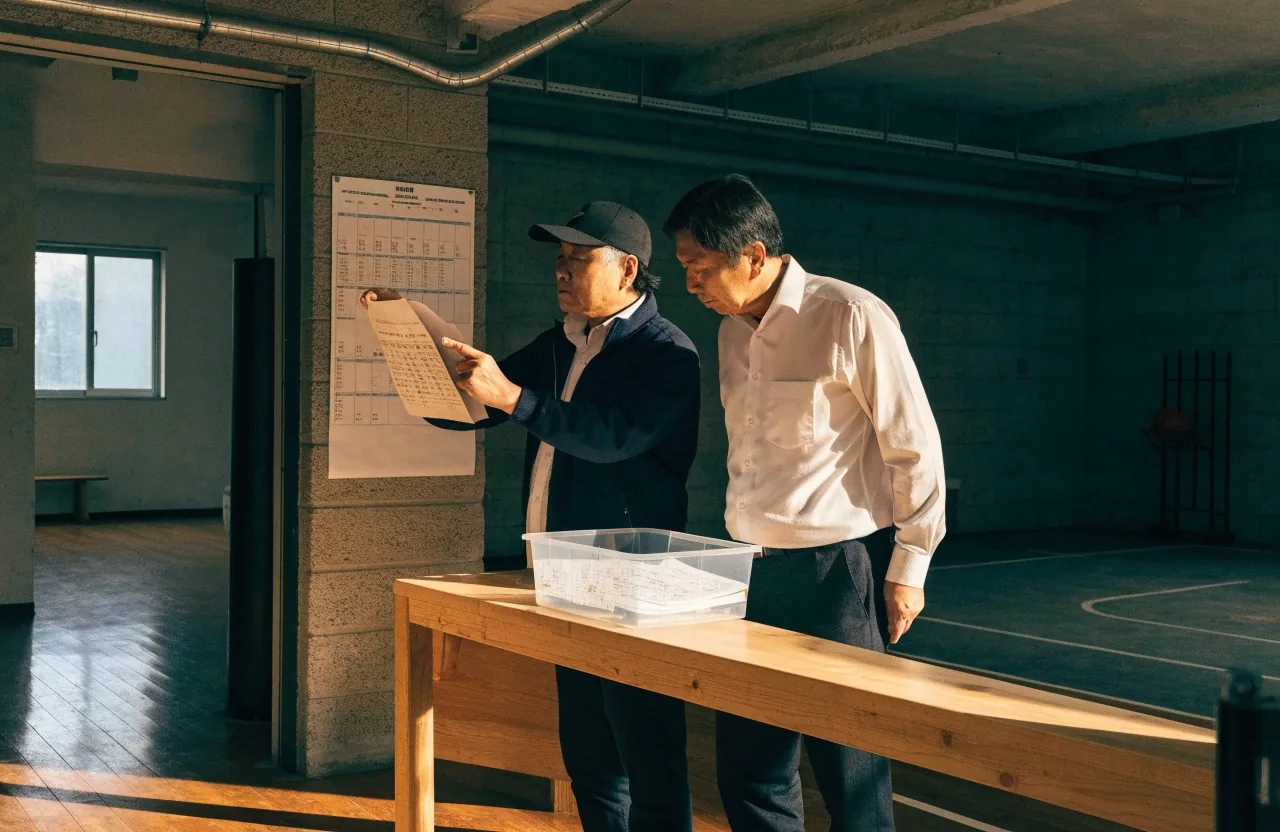
A named county association or a listed body usually means registration, discipline and scheduling sit with people who answer for them. An unnamed organiser is not automatically a problem, but you will not know who to ask when a fixture disappears.
Some city leagues promote on finishing position, some on application, and some never promote at all. The rule matters more than the table, because it tells you what the season is actually for and whether a mid-table club is playing for anything.
Check a mid-season month rather than the opening weeks. If the calendar is still being played as posted in January, the competition is being run properly. If half of it moved and nothing was republished, that is the story.
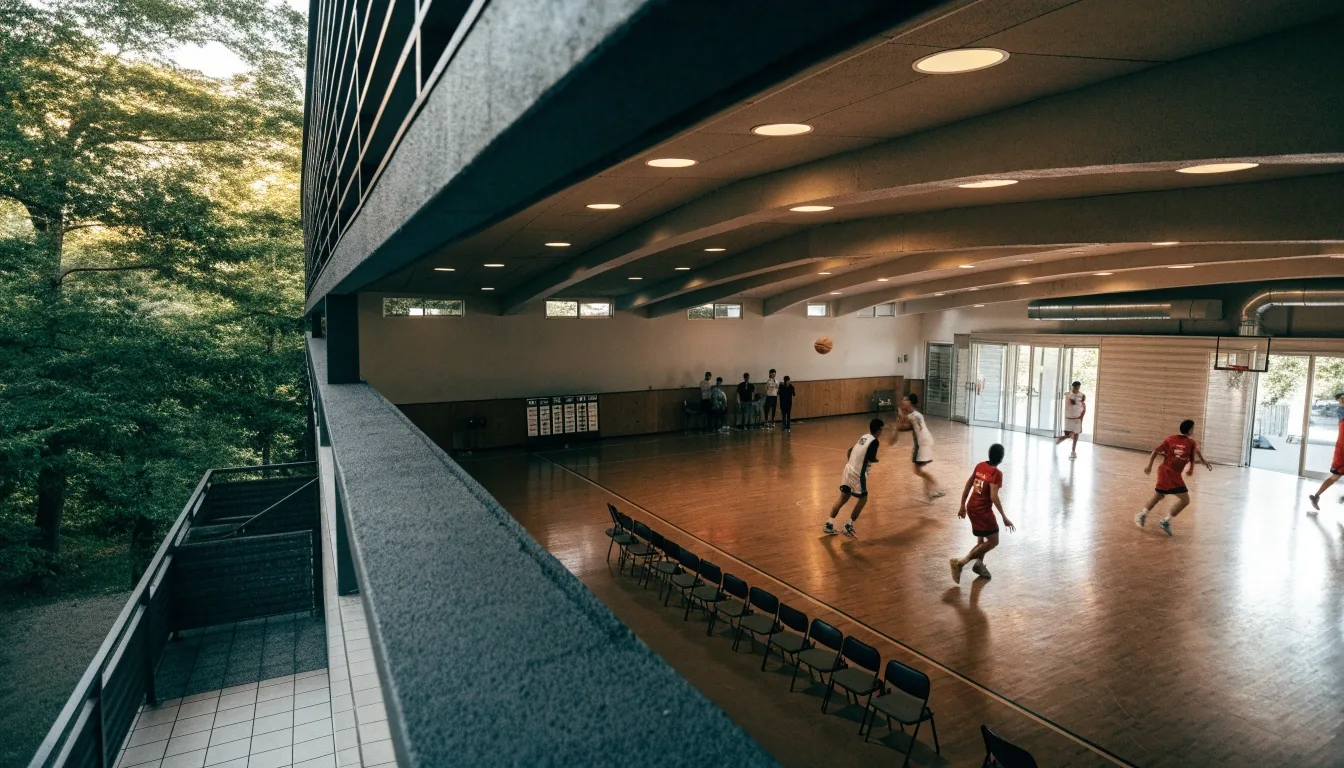
Each review follows the same practical questions: who runs the league, who plays in it, what the season looks like, and where it sits in the wider structure. We avoid ranking leagues against each other, since a city league and a county association are not comparable units.
What we do try to give you is enough detail to decide whether a competition is the right level for you or for someone you are advising. Where a league sits in a structure, and how well it is administered, matters more to that decision than which club finished top of it.
Most of what arrives at the desk is about how to read a competition before committing a season to it. These are the ones that come up again and again.
Because a city league and a county association are different kinds of organisation doing different jobs. Ranking them together would compare a competition to a governing body. We describe what each one does, who runs it, and what level it suits, and leave the comparison to the reader.
Structure and administration change slowly; fixtures and divisions change every season. We describe the layer a competition sits in, and point you to the fixtures page for the parts that move. If you spot something that has been restructured, tell us and we will correct the page.
You can compare the training load honestly, but not the competition. A school club measures itself in practice hours and school tournaments, while a city league measures itself in a table and a calendar. Those are different scoreboards, so treat them as different models rather than two versions of one thing.
On the fixtures page, where we track community sports fixtures by region and month. This page is about how the structures behind those fixtures are organised, so it stays focused on administration, promotion rules and the shape of a season.

If you are deciding where a team or a player belongs, start with who administers the competition and work down from there. The results are the last thing to read, not the first.
Editorial desk: 456 Karasuma-dori, Nakagyo-ku, Kyoto 604-8005, Japan. Open Monday to Friday, 9:00 AM to 6:00 PM JST.